
Picky Eaters, Big Feelings, and Little Taste Buds: Turning Mealtime Battles into Moments of Discovery
 Toni KennedyNovember 2026
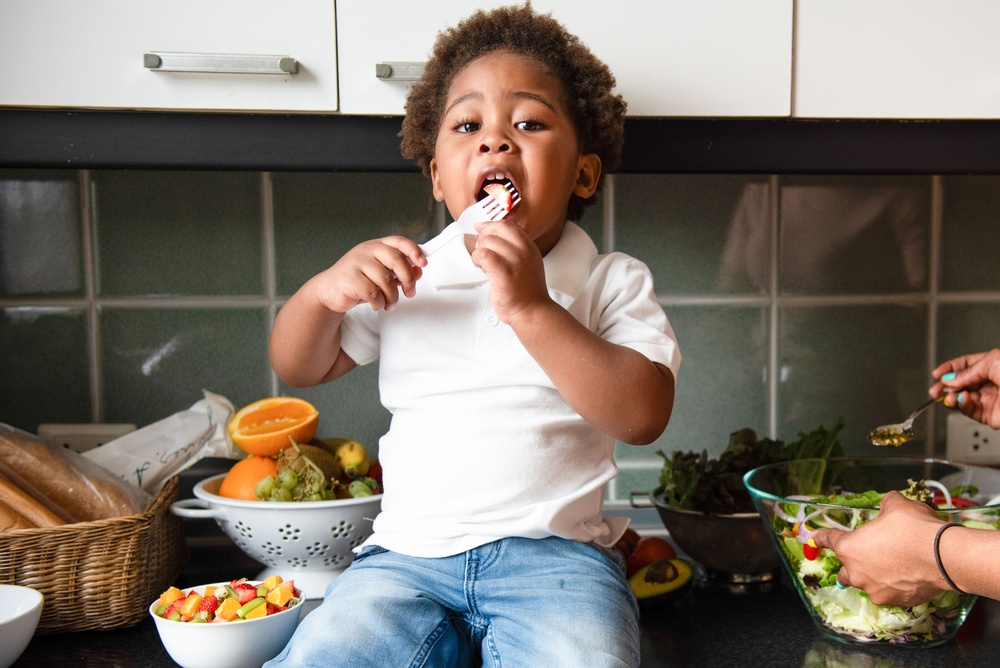
Why raising adventurous eaters begins with understanding child development, respecting big feelings, and remembering that every little bite is a learning experience.
From the moment we discover we're becoming parents, something extraordinary happens. Our hearts grow three sizes, our imaginations run wild with possibilities, and suddenly we become professional worriers!
Are they sleeping enough? Growing enough? Learning enough? And perhaps one of the most universal parenting questions of all: Are they eating enough?
Oh, Trusted Adults, if you've ever prepared a delicious, nutritious meal only to have your preschooler look at it as though you've served a plate of slimy swamp creatures, this one's for you!
As a mother, grandmother, and former preschool teacher, I've witnessed my fair share of mealtime standoffs. And here's something I've learned along the way: Sometimes what looks like picky eating is actually a little person trying to make sense of a great big sensory world.
At What's Poppin' Penny?, we believe that understanding what's happening inside a child's developing mind can transform everyday challenges into meaningful opportunities for connection, confidence, and learning.
And yes, that includes the dinner table!
The Great Broccoli Standoff: What's Really Happening?
Picture this: You've lovingly prepared dinner. There's chicken, rice, and a beautiful helping of steamed broccoli.
Your preschooler takes one look at their plate, wrinkles their nose, and announces, "I DON'T LIKE THAT!"
Sound familiar?
Before declaring war on broccoli, consider this: Young children experience food very differently than adults.
By adulthood, we've developed an extensive library of familiar flavors, textures, and aromas. We can describe foods as sweet, salty, spicy, or savory. And when all else fails, we have that wonderfully ridiculous culinary description: "Tastes like chicken!"
But preschoolers?
They're still building their libraries!
A single bite can introduce several unfamiliar sensations simultaneously. Something might smell wonderful but feel strange on the tongue. A food might look crunchy but turn out surprisingly mushy.
And for a child who finds comfort in predictability, those surprises can feel overwhelming.
What adults interpret as stubbornness may actually be curiosity, uncertainty, or sensory discomfort.
That's an important distinction.
Because when we change the way we interpret a child's behavior, we can change the way we respond.
The Curious Case of the Tricky Green Peas
Let me share a little story from my own parenting adventures.
When my daughter was a baby, she absolutely loved pureed green peas.
Loved them!
Naturally, I assumed we had established a beautiful, lifelong relationship between my child and this nutritious little vegetable.
Well, imagine my surprise when toddlerhood arrived!
Suddenly, those beloved peas became public enemy number one.
She would scrunch up her face, spit them across the room, and declare:
"Peas are not nice! They always trick me!"
TRICK HER?!
I had to laugh.
But when I considered her perspective, I realized she had a point.
Pureed peas were smooth, familiar, and predictable. Whole peas, however, had an entirely different personality. They were firm on the outside and soft on the inside.
To my daughter, those peas had pulled a culinary bait-and-switch!
Her reaction wasn't necessarily about disliking the flavor. It was about encountering an unexpected texture.
And that, Trusted Adults, was a valuable lesson in child development.
Children aren't simply learning what foods taste like. They're learning how foods smell, look, feel, and behave.
Sometimes familiarity is far more comforting than variety.
What's Poppin' Penny? Where Big Feelings Meet Everyday Discoveries
If you've listened to What's Poppin' Penny?, you already know that Penny Wright approaches her world with imagination, curiosity, and plenty of preschool-sized emotions.
Whether she's discovering something new, navigating uncertainty, or learning to persevere, Penny reminds us that everyday childhood experiences offer extraordinary opportunities for social-emotional learning.
Mealtime is no exception.
Consider the lessons children can practice while exploring unfamiliar foods:
Self-awareness: Recognizing hunger, fullness, preferences, and sensory reactions.
Emotional regulation: Managing disappointment or uncertainty when something tastes different than expected.
Communication: Expressing preferences respectfully instead of becoming overwhelmed.
Curiosity: Exploring unfamiliar colors, smells, textures, and flavors.
Confidence: Feeling safe enough to investigate something new without pressure.
These are the same foundational social-emotional skills we celebrate throughout Penny's magical adventures.
Our episode The Five Senses Game is a wonderful companion to this conversation because it encourages children to explore their surroundings through sensory discovery.
After all, food exploration involves much more than taste!
From Food Fights to Food Discoveries
One approach I used as a mother and preschool teacher was what I called the "No Thank You Bite."
The idea was simple: Before deciding whether they enjoyed an unfamiliar food, children were encouraged to give it a try.
And I can't tell you how many foods initially greeted with "No, thank you!" eventually became requested favorites.
But experience and our growing understanding of child development also teach us something important: Encouragement works best when children feel safe, respected, and in control of their own bodies.
A child doesn't have to swallow a bite to participate in food discovery.
For some children, touching a new food is progress. For others, smelling it, helping prepare it, or allowing it to remain on their plate is an important first step.
Instead of insisting, "Just take one bite!" try asking:
"What does it smell like?"
"Does it feel smooth or bumpy?"
"Does it remind you of something you've tasted before?"
"Would you like to explore it today, or try again another time?"
The goal isn't to win a power struggle.
The goal is to build a healthy, trusting relationship with food.
And sometimes that relationship develops one tiny investigation at a time.
Trusted Adults Set the Stage, Not the Appetite
One of the most empowering lessons I learned as a parent was recognizing the difference between creating a healthy food environment and controlling how much my children ate.
I could choose which foods to purchase, prepare balanced meals, and introduce new flavors.
But I couldn't manufacture hunger, force genuine enjoyment, or determine exactly how much food my children needed at every meal.
That's where responsive feeding becomes so valuable.
Trusted Adults can decide what foods are offered, when meals and snacks happen, and where everyone eats. Children can learn to listen to their bodies and decide whether and how much to eat from what's offered.
This approach creates structure without turning dinner into a negotiation.
And remember, a child's appetite can fluctuate from day to day.
Rather than measuring success by one unfinished plate, consider eating patterns, growth, energy, and well-being over time.
If concerns about nutrition, growth, swallowing, or extremely limited food choices persist, your child's pediatrician can help.
A Little Sweetness, A Lot of Perspective
When my children were young, I discovered something delightful.
For a while, they thought sweet potatoes prepared with coconut milk were just about the sweetest treat imaginable!
I still smile remembering that.
Children naturally enjoy sweet flavors, but we can introduce a wonderful variety of foods without relying on added sugar or using sweets as rewards.
And we can model something equally important: flexibility.
Maybe yesterday's carrots were rejected, but today's roasted carrots look interesting. Maybe your preschooler loves strawberries this week and wants nothing to do with them next week.
That's childhood!
Food preferences evolve. Familiarity grows. And children learn through repeated experiences, observation, and play.
Bringing the Brownstone Spirit to Your Dinner Table
Imagine Penny sitting at the brownstone kitchen table with Mom Zoe, Dad Jabari, and Grandma Spicy.
What if a new vegetable appeared on her plate?
Would Penny immediately love it?
Maybe. Maybe not!
But imagine Grandma Spicy inviting everyone to describe its color. Zoe wondering whether it smells sweet or earthy. Jabari sharing that he didn't enjoy certain vegetables when he was younger.
And Penny?
Perhaps she'd decide that today's adventure involves touching the vegetable with her fork.
That's still a meaningful discovery.
Trusted Adults can create that same atmosphere at home by inviting children to help wash produce, select vegetables at the grocery store, describe food textures, or simply observe adults enjoying different foods.
These small moments nurture language development, independence, connection, and confidence.
Best of all, they remind children that learning doesn't require perfection.
The Real Victory Isn't an Empty Plate
Somewhere along the parenting journey, we began treating clean plates as evidence of successful parenting.
But healthy development isn't measured by how many broccoli florets disappear before bedtime.
It's reflected in children learning to recognize their needs, communicate their feelings, trust their bodies, and approach unfamiliar experiences with growing confidence.
At What's Poppin' Penny?, that's what social-emotional learning is all about.
Helping children develop the skills they'll carry far beyond preschool, far beyond the dinner table, and into the rest of their lives.
So the next time your little Brownstone Buddy announces that green peas are tricksters, broccoli looks like tiny trees, or mashed potatoes feel funny on their tongue, remember:
They're not necessarily giving you a hard time.
They may be having a hard time making sense of something unfamiliar.
And with a little patience, a sprinkle of curiosity, and plenty of love, even the pickiest mealtime moments can become opportunities for discovery.
Because the greatest victory isn't getting children to eat everything on their plates. It's helping them develop a lifelong, healthy relationship with food, their bodies, and themselves.
Until next time, Brownstone Buddies and Trusted Adults, keep exploring, keep learning, and remember...
Child Development IS Human Development!
With love and a little Grandma Spicy wisdom,
Miss Toni 💜
Creator of What's Poppin' Penny?
One-time purchase. Lifetime impact.
Bring the WPP Learning Lab SEL curriculum to your classroom or home. Ask Toni how to get it.